


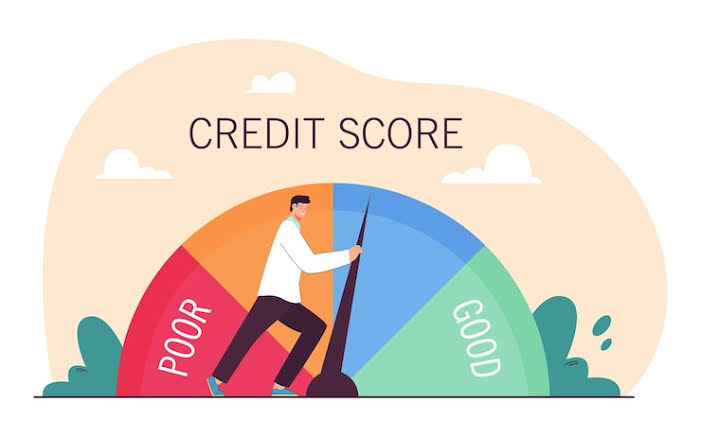

The fear of a credit score drop is stopping buyers in Castro Valley, Oakland, San
Leandro, Berkeley, and Alameda from building real wealth — and it doesn’t have to.
The Credit Score Fear Is Real — But It’s Based on a Myth
Every week, I talk to buyers who are financially ready to start their home search. They’ve got
steady income. They’ve got savings. They know what neighborhoods they want — maybe a
quiet street in Castro Valley’s Five Canyons, a craftsman bungalow in the Oakland hills, or a
walkable block in Alameda.
But they freeze before step one: getting pre-approved.
Why? Because they’re terrified that running their credit is going to tank their score.
I understand the hesitation. You’ve worked hard to build your credit history. It feels fragile. And nobody’s really explained what actually happens when a lender pulls it.
So let me show you — with my own credit report.
What Actually Happens When a Lender Pulls Your Credit
I pulled my own credit recently for a mortgage pre-approval. My score dropped 3 points.
One month later? It came back up. Fully recovered. That’s it.
A temporary 3-point dip that bounces back in roughly 30 days.
That’s the scary thing you’ve been avoiding. Three points. One month. And in that same time,
you could have already been pre-approved, in contract, and on your way to owning a home.
Don’t let fear of a number stop you from building real wealth through homeownership.
The Credit Score Drop Is Even Smaller When You Shop Lenders
Here’s something most buyers don’t know: when you’re shopping for a mortgage, you can have
multiple lenders pull your credit within a short window — typically 14 to 45 days — and the credit bureaus treat it as a single inquiry.
That means you can compare rates from three, four, or five different lenders without any
additional impact to your score. The credit scoring models recognize mortgage shopping and
account for it — they want you to get the best loan, not penalize you for doing your homework.
The real mistake is waiting until you’re already in contract to start shopping lenders.
That’s when you’re under time pressure, stressed, and less likely to negotiate the best rate.
Shop upfront, while you still have leverage.
How to Actually Improve Your Credit Score Before Buying a Home
Getting pre-approved won’t hurt your score. But if your credit needs some work before you’re ready, here are the moves that actually make a difference:
1. Pay Down Credit Card Balances (This Is the Biggest Lever)
Your credit utilization ratio — how much of your available credit you’re using — makes up about 30% of your FICO score. The sweet spot is keeping utilization below 30% on each card, and below 10% if you want maximum impact. Even paying down one high-balance card can move your score significantly within a billing cycle.
2. Don’t Close Old Credit Cards
Closing a card reduces your total available credit, which raises your utilization ratio and can shorten your credit history — both of which hurt your score. Keep old cards open, even if you’re not using them.
3. Set Up Autopay for Every Account
A single 30-day late payment can drop your score by 50–100 points and stay on your report for seven years. Set up autopay for at minimum the minimum payment on every account. Payment history is 35% of your FICO score — it’s the single biggest factor.
4. Dispute Errors on Your Credit Report
Pull your free reports at AnnualCreditReport.com and look for accounts you don’t recognize, incorrect late payments, or balances that are wrong. Errors are more common than most people think. Disputing and removing a false negative can improve your score within 30–60 days.
5. Don’t Open New Credit Accounts Right Before Applying
Every new application triggers a hard inquiry and temporarily lowers your score. New accounts also lower the average age of your credit, which hurts your history. In the 6–12 months before applying for a mortgage, avoid opening new credit cards, financing furniture, or taking out any new loans.
6. Become an Authorized User on a Trusted Account
If a family member has a long-standing credit card with a clean payment history and low utilization, asking to be added as an authorized user can give your score a meaningful boost — without you needing to spend anything on the card.
7. Pay Down Installment Loans, But Don’t Rush to Pay Them Off
Mortgage scores often reward having a mix of credit types — both revolving (credit cards) and installment (auto loans, student loans). Paying down the balances helps your debt-to-income ratio, but don’t rush to pay off an installment loan entirely just to close it.
8. Ask for a Credit Limit Increase (Without Spending More)
If you’ve been a reliable customer, many credit card companies will approve a credit limit increase with a simple request — sometimes without even a hard inquiry. A higher limit with the same balance means a lower utilization ratio and a better score.
9. Use Experian Boost or Similar Tools
Programs like Experian Boost let you add on-time utility, streaming, and phone payments to your credit report. These won’t work miracles, but for buyers who are thin on credit history, they can add a few meaningful points.
10. Give Yourself Time — The Best Strategy Is Patience
Most credit improvements take 30–90 days to show up on your report after you make changes. If you’re planning to buy in the next 6–12 months, now is the time to audit your credit and start making moves. Don’t wait until you’re ready to make an offer.
What Credit Score Do You Need to Buy a Home in the East Bay?
Different loan types have different minimum requirements:
- Conventional loans: Generally 620+ to qualify; 740+ for the best rates
- FHA loans: As low as 580 with 3.5% down; 500–579 with 10% down
- VA loans (for eligible veterans): No formal minimum, but most lenders want 620+
- Jumbo loans: Typically 700–720+ (important for higher-priced markets like Berkeley and parts of Oakland)
The East Bay real estate market — from Castro Valley to Alameda — spans a wide price range. Knowing which loan product fits your situation is part of what we help buyers figure out in that first pre-approval conversation.
The Bottom Line for East Bay Buyers
Whether you’re looking in Castro Valley, Oakland, San Leandro, Berkeley, or Alameda — the market moves fast. Homes in desirable neighborhoods don’t sit. Sellers choose buyers who are ready.
Getting pre-approved is the first move. It costs you nothing, it won’t meaningfully hurt your credit score, and it tells you exactly where you stand. It also gives you the confidence to make a strong offer when the right home comes along.
If you’re thinking about buying a home this year and you’re not sure where your credit stands, let’s talk.
We work with buyers at every stage — whether you’re ready to make an offer tomorrow or you’re 12 months out and want to build a game plan. As Castro Valley locals and East Bay real estate specialists, we know this market, these neighborhoods, and what it takes to win.
Ready to Get Pre-Approved?
Your East Bay Home Team at Compass serves buyers and sellers throughout Castro Valley, Oakland, San Leandro, Berkeley, and Alameda.
📍 Locally based in Castro Valley
📲 DM us on Instagram or send us a message — we’re easy to reach and always happy to talk through your situation, no pressure.
Kenneth Er is a Castro Valley-based real estate agent with Your East Bay Home Team at Compass. He specializes in residential real estate throughout the East Bay, including Castro Valley, Oakland, San Leandro, Berkeley, and Alameda.
Related Reading:
- What to Expect During the Home Buying Process in Castro Valley
- Castro Valley Real Estate Market Update
- How to Make a Winning Offer in the East Bay